
Clinical Guides
Evidence-based references on skin conditions, treatments, diagnostic technology, and prevention — reviewed by board-certified dermatologists.

5-Fluorouracil (5-FU) Cream
5-fluorouracil is a prescription cream that clears sun-damaged and precancerous skin across a whole area. How it works, what the reaction looks like, and how well it works.
Tyler Long, DO · Reviewed
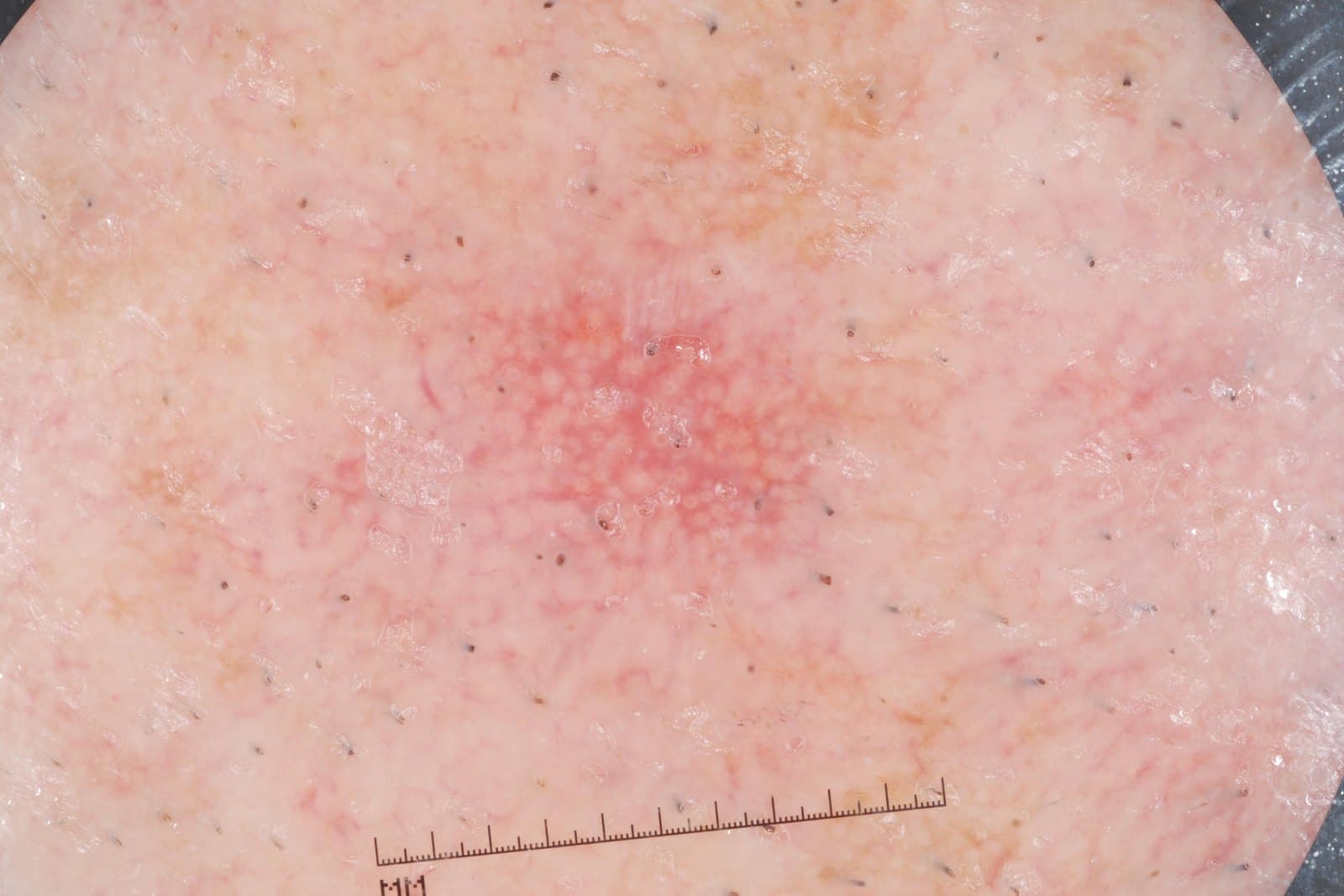
Actinic Keratosis
Actinic keratoses are rough, scaly patches from years of sun exposure. They are the most common precancer and a direct precursor to squamous cell carcinoma, so treating them is one of the most effective ways to prevent skin cancer.
Tyler Long, DO · Reviewed
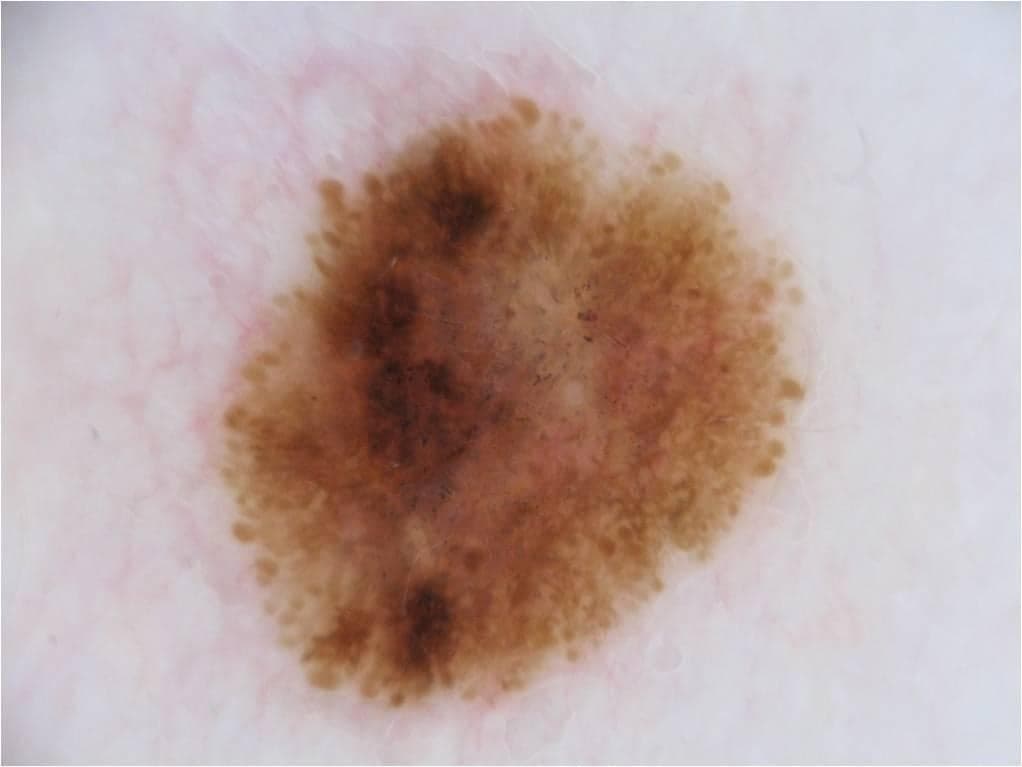
Atypical Moles (Dysplastic Nevi)
An atypical mole (also called a dysplastic nevus) is a harmless mole that looks a little unusual. It is not cancer. Having several of them is mostly a sign to keep an eye on your skin, not a reason to remove them all.
Tyler Long, DO · Reviewed
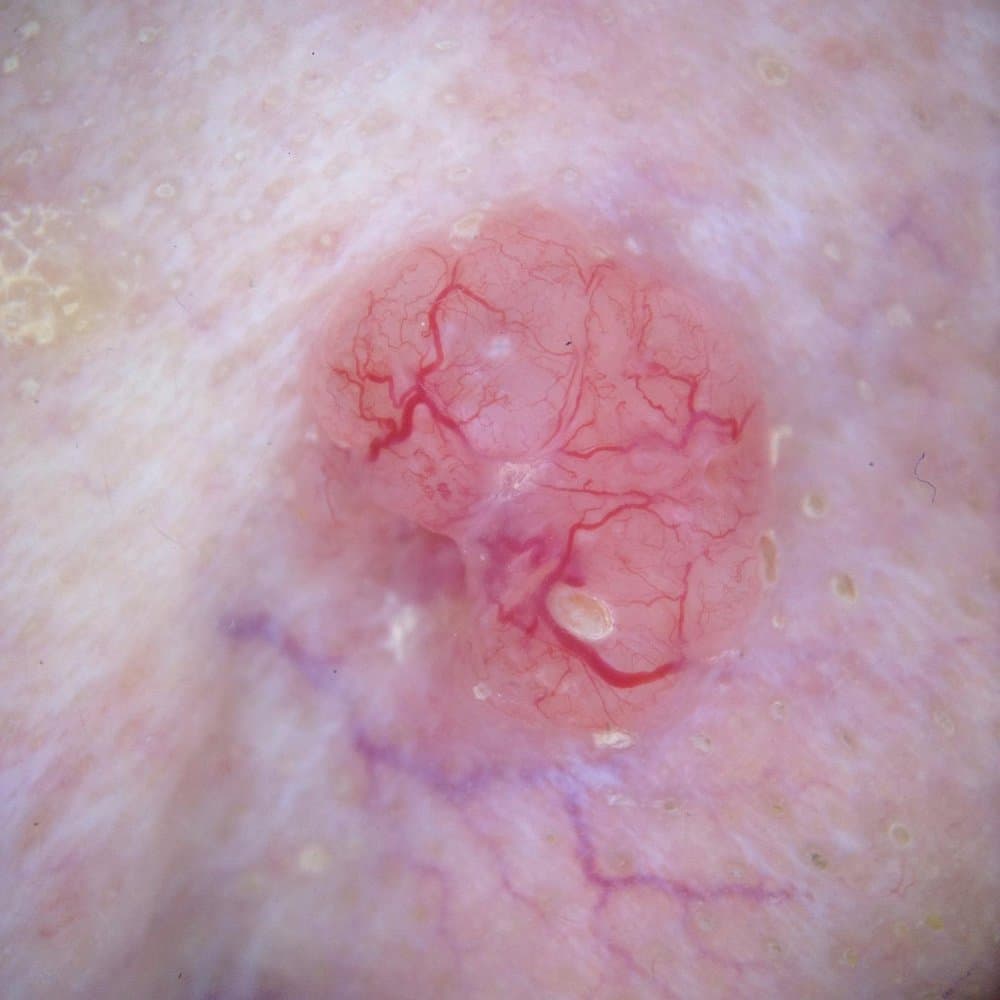
Basal Cell Carcinoma
Basal cell carcinoma is the most common skin cancer. It grows slowly, rarely spreads, and is highly curable, especially when caught early. What it looks like, how it's diagnosed, and how it's treated.
Tyler Long, DO · Reviewed
Common Skin Lesions: 20 Spots Explained
From moles and age spots to skin cancers, most spots found at a skin check are benign. Here's a plain-language guide to 20 of the most common skin lesions, and how to tell which ones need attention.
Tyler Long, DO · Published

Cryotherapy (Liquid Nitrogen)
Cryotherapy freezes a skin spot with liquid nitrogen to remove it. What it treats, what it feels like, how well it works, and why a spot should be checked before it is frozen.
Tyler Long, DO · Reviewed
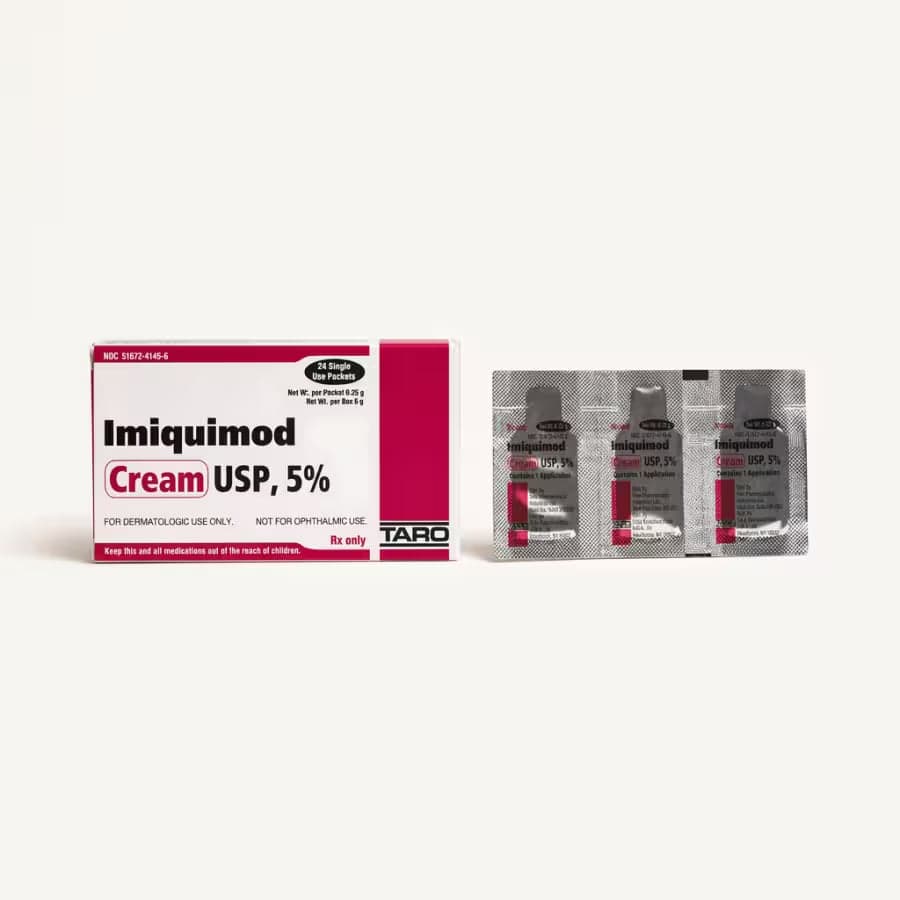
Imiquimod (Aldara) Cream
Imiquimod is a prescription cream that uses your own immune system to clear sun damage and some early skin cancers. How it works, what the reaction looks like, and how well it works.
Tyler Long, DO · Reviewed
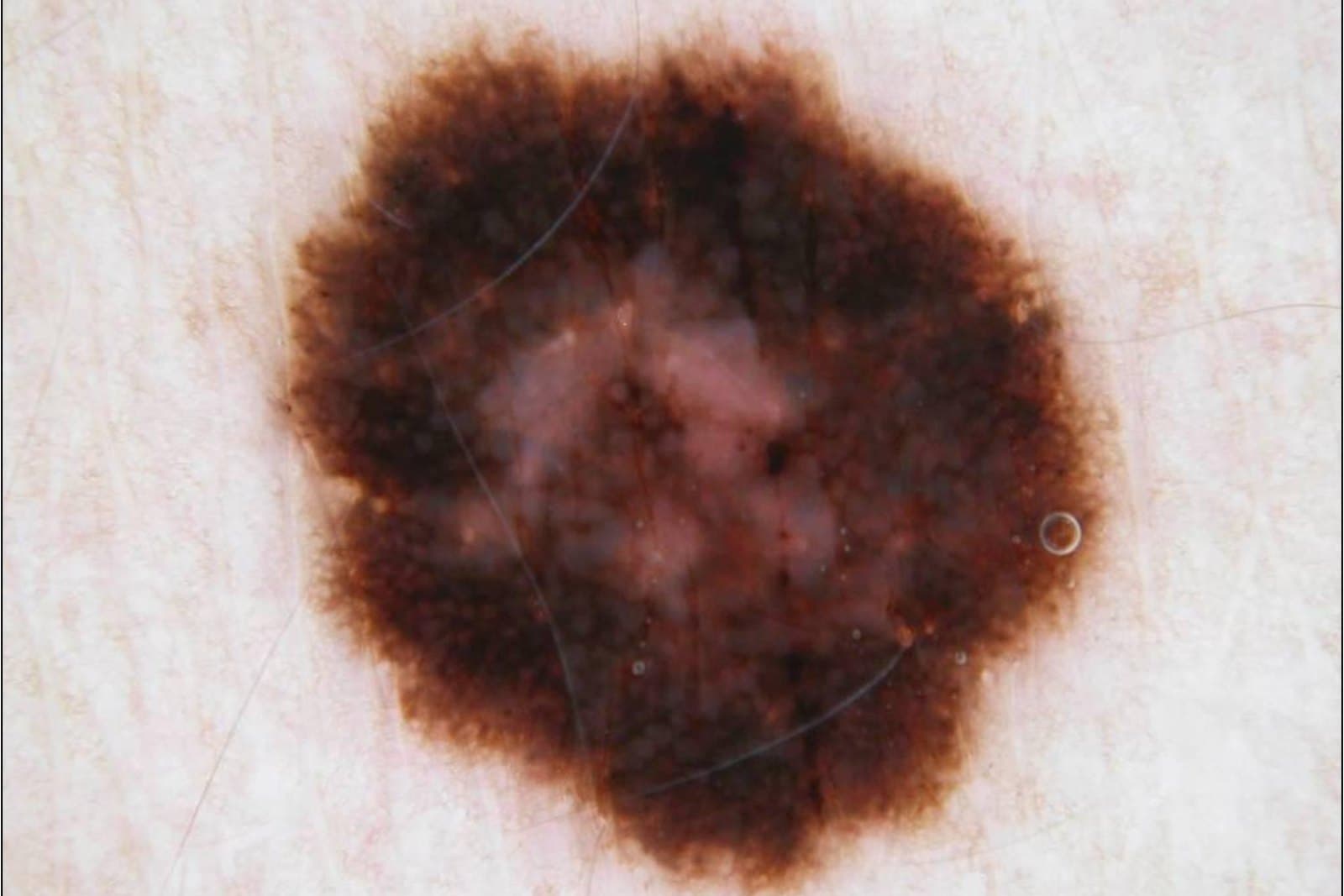
Melanoma
Melanoma is a family of skin cancers, from melanoma in situ (almost always curable) to invasive and advanced disease. This overview explains the types and stages so you can see where a diagnosis fits, then how treatment changes by stage.
Tyler Long, DO · Reviewed
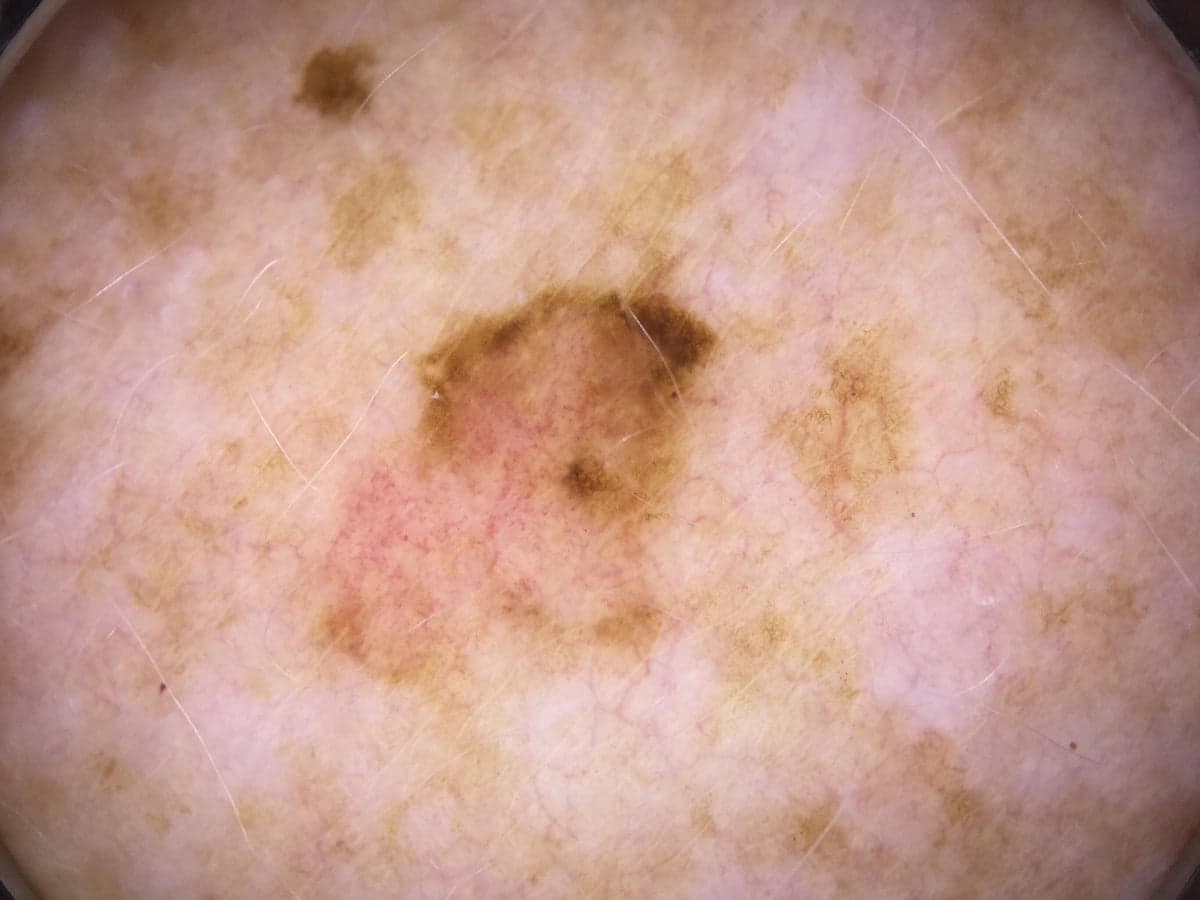
Melanoma In Situ
Melanoma in situ is the earliest, Stage 0 form of melanoma, confined to the top layer of skin. Because it hasn't grown deeper, removing it completely is essentially curative.
Tyler Long, DO · Reviewed
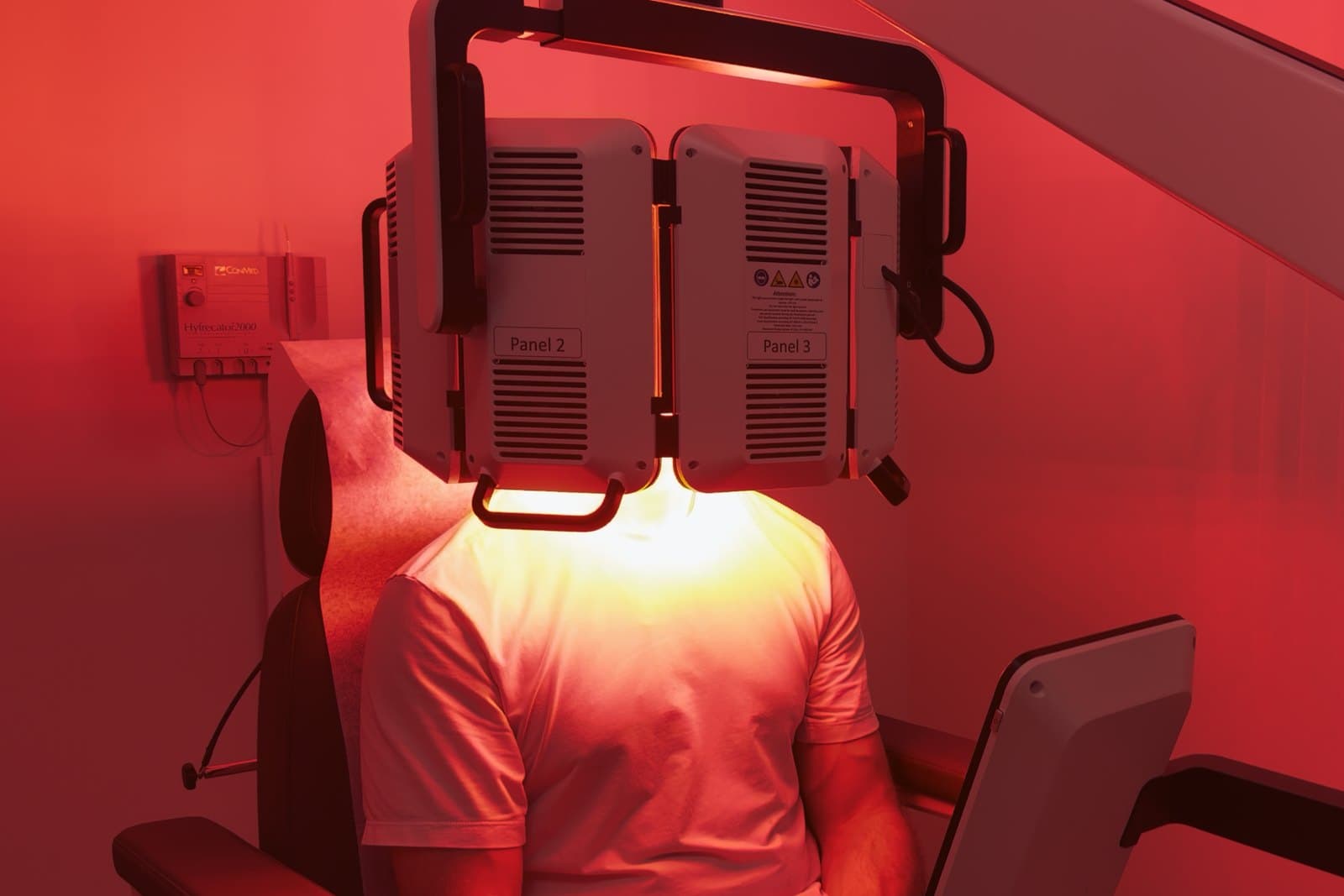
Photodynamic Therapy (PDT)
Photodynamic therapy uses a light-activated medicine to clear actinic keratoses and sun damage across a whole area at once. How it works, what to expect, and how well it works.
Tyler Long, DO · Reviewed
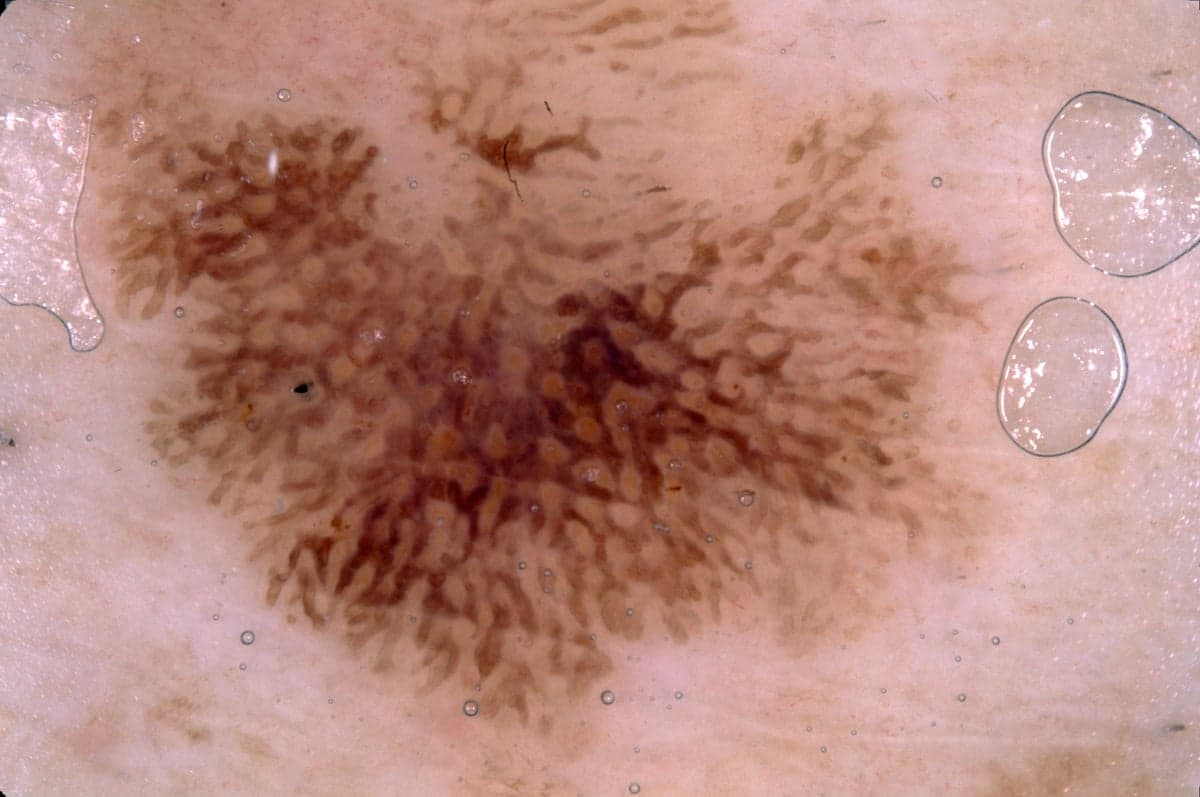
Seborrheic Keratosis
A seborrheic keratosis is a common, harmless skin growth that shows up with age. It is not cancer and you do not have to treat it. The main reason to see a doctor is to be sure a spot is truly harmless, because a melanoma can sometimes look like one.
Tyler Long, DO · Reviewed

Skin Self-Exam (ABCDE)
Checking your own skin helps you spot a new or changing mole early. Here is how to do it with the ABCDE rule and the ugly duckling sign, what a self-exam can miss, and honest answers about phone apps.
Tyler Long, DO · Reviewed
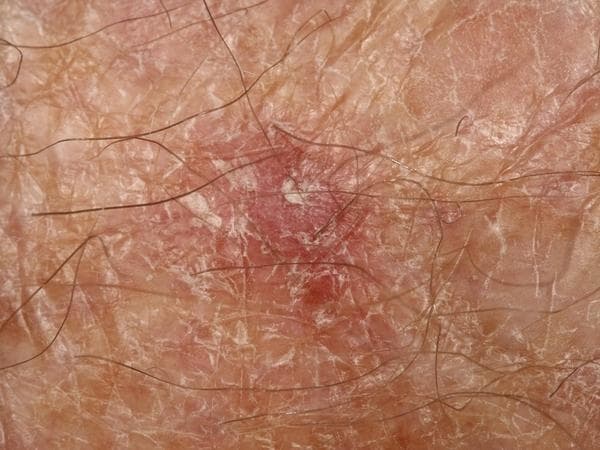
Squamous Cell Carcinoma
Squamous cell carcinoma is the second most common skin cancer. Most are cured with surgery, but a higher-risk minority can spread, so risk and early treatment matter. What it looks like, how it's diagnosed, and how it's treated.
Tyler Long, DO · Reviewed
Sunscreen & SPF
Daily sunscreen is one of the simplest ways to lower your risk of skin cancer and slow skin aging. Here is what the research actually shows it prevents, how to use it, and honest answers to the worries about safety and vitamin D.
Tyler Long, DO · Reviewed
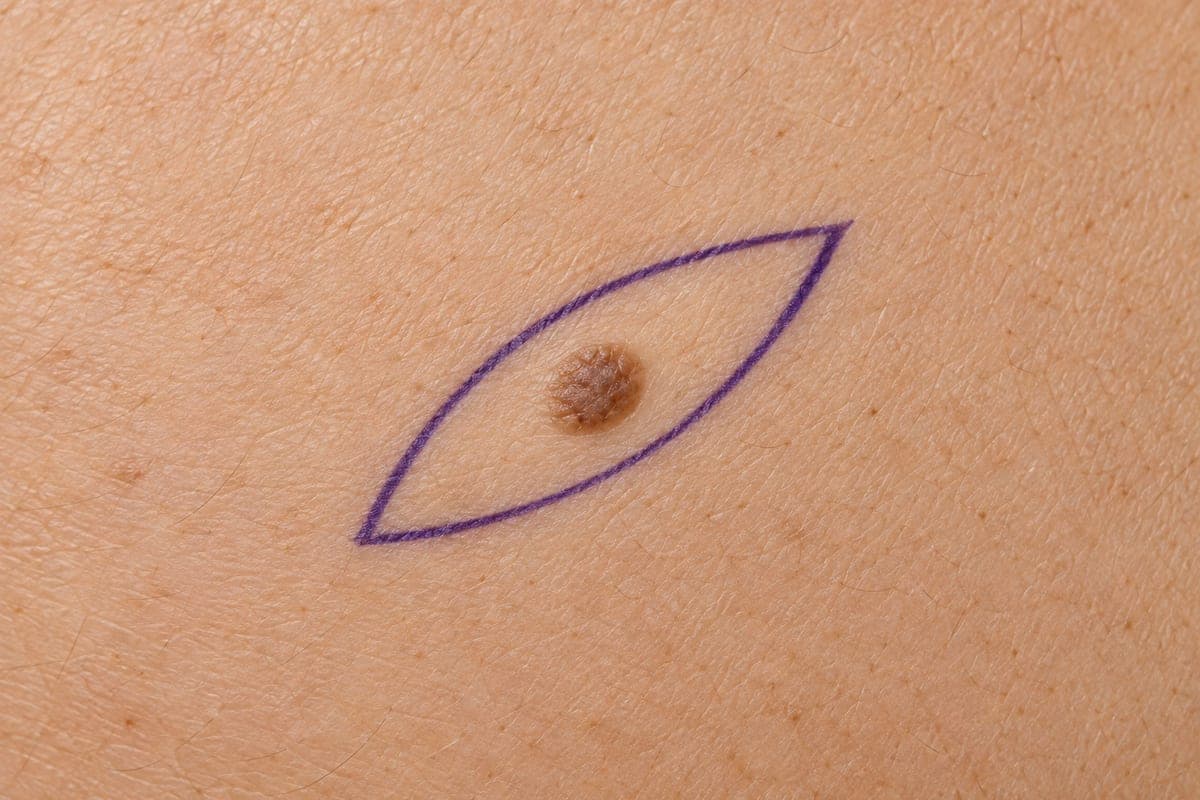
Surgical Excision
Surgical excision is the cut-it-out treatment for skin cancer. The surgeon removes the growth with a rim of normal skin and sends it to a lab. How it works, what the margin means, and how well it works.
Tyler Long, DO · Reviewed
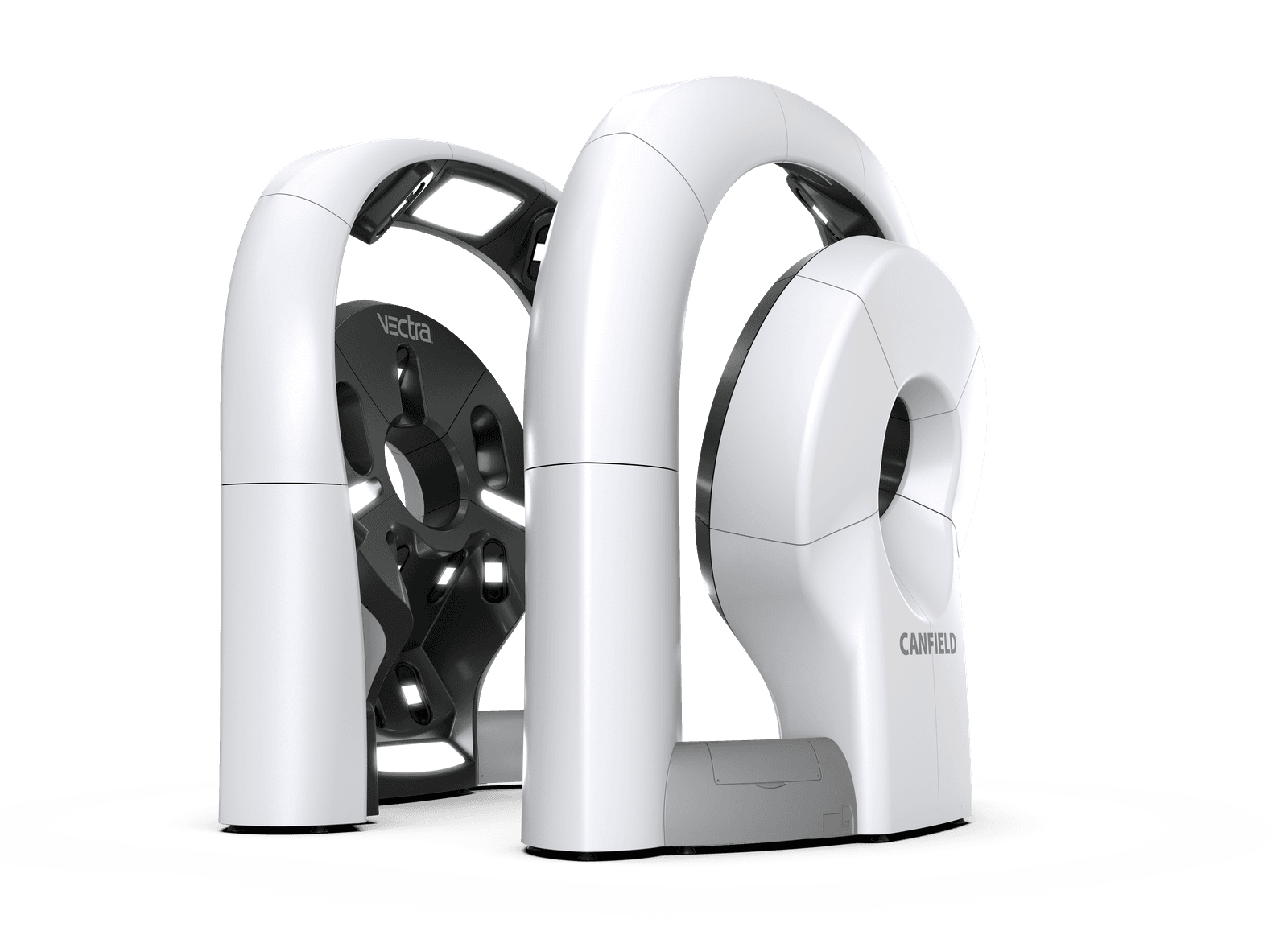
Total Body Photography
Total body photography makes a 3D map of your skin so a dermatologist can spot new and changing moles over time. Here is how the technology grew from flat photos to a 3D map, where the evidence is strongest, and what it does not do.
Tyler Long, DO · Reviewed
Want to suggest a topic for a new guide?
Contact us