
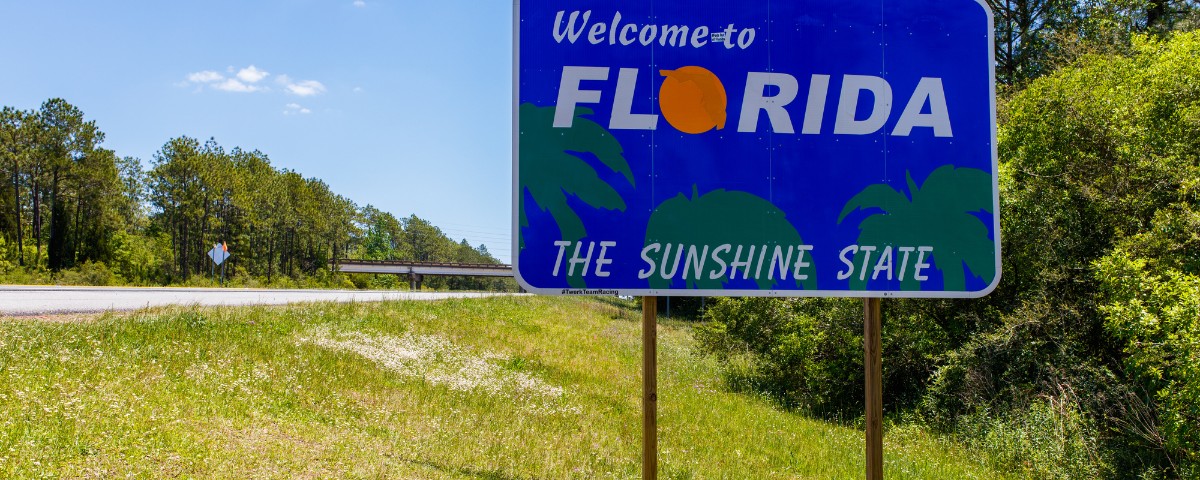
Most of my patients moved to Florida for the weather. The sunshine is the draw, and I get it. It's also the reason I see so much skin cancer in older adults here — and this year a study from Florida Atlantic University put hard numbers to what those of us in clinic already see.
Researchers at FAU's Charles E. Schmidt College of Medicine looked at years of national data on melanoma in Floridians aged 65 and older. The short version: it isn't getting better, and most of what's driving it can be prevented. Here's what they found, and why it matters if you live in Central Florida.
What the Study Looked At
The team used CDC WONDER, a federal public-health database, to track new melanoma diagnoses from 2018 to 2021 and deaths from 2018 to 2023, all in Floridians 65 and up. They left out the common basal cell and squamous cell cancers on purpose, so the picture would reflect the dangerous end of the spectrum. The work was published in the Journal of Geriatric Oncology in May.1
One number for context: Florida reports the second-highest count of melanoma cases of any state, behind only California.2 That's mostly a function of how many older, sun-exposed people live here.
The Burden Is Holding Steady
The clearest signal in the data is how little it moves. Year over year, melanoma diagnoses and deaths in older Floridians stayed flat. No real improvement.
There was a dip in 2020. The authors chalk that up to the pandemic, when skin checks and screenings ground to a halt — fewer cancers got caught that year, even though just as many were occurring. Once screening resumed, the numbers snapped back to where they'd been.
Older Men Are Dying About Twice as Often as Women
The finding that jumped out at me is the sex gap. In every year studied, older men died of melanoma at roughly twice the rate of older women.
Why? A few things stack up. Men this age are less likely to use sun protection, less likely to check their own skin, and tend to have more lifetime sun behind them; there may also be real biological differences in how the immune system handles the disease. The cause matters less than the takeaway: if you're an older man, a regular skin check earns its keep.
Who the Data Points To
Non-Hispanic white residents had the highest rates of both diagnosis and death, which tracks with what we know about fair skin and cumulative sun. That doesn't let anyone off the hook. Melanoma can show up in any skin tone, and in darker skin it's often caught later. But it does tell us where the heaviest burden sits here.
What the Researchers Concluded
Here's the part I appreciated. The authors didn't treat this as the unavoidable price of living somewhere sunny. They put it on persistent gaps in prevention and early detection, and called for the unglamorous stuff: routine skin checks, more awareness, real outreach to older adults.
That's good news, honestly, because every piece of it is something you can act on. Sun protection still helps even after decades outdoors: daily sunscreen, a hat, some shade. A monthly self-exam using the ABCDE rule catches changes between visits. And a yearly professional exam finds what you can't — your scalp, your back, the spots you never see.
Melanoma caught before it spreads has a survival rate above 99%. After it reaches distant organs, that number drops hard.3 Almost all of that gap is timing, which is why early detection is worth the nuisance of an appointment.
What This Means If You Live in The Villages
This is my patient population almost exactly: older, retired to Florida, carrying a lifetime of sun. The study is a reminder that the risk here is real and steady, and that it answers to attention.
If your last full-body skin check was more than a year ago, that's the one thing I'd move to the top of your list. Our clinic at 3614 Kiessel Road in Brownwood Square does comprehensive screening, full-body imaging, biopsies when they're needed, and ongoing care if you've had skin cancer before. We take Medicare and most major insurance, and you don't need a referral. Not sure what a visit involves? Here's what to expect at a skin cancer screening.
Tyler Long, DO is a board-certified dermatologist and the lead physician at SpotDoc in The Villages. For appointments, call (352) 914-3451 or book online.
References
-
Srivastav M, Etzel M, Decker M, Kamm C, Lewis K, Miron E, Reis V, Sacca L. Trends in skin cancer in the Sunshine State: An ongoing concern for older adults in the United States. Journal of Geriatric Oncology. 2026 May;17(5):103005. doi.org ↩
-
Centers for Disease Control and Prevention. Skin Cancer Statistics. cdc.gov ↩
-
American Cancer Society. Survival Rates for Melanoma Skin Cancer. cancer.org ↩