
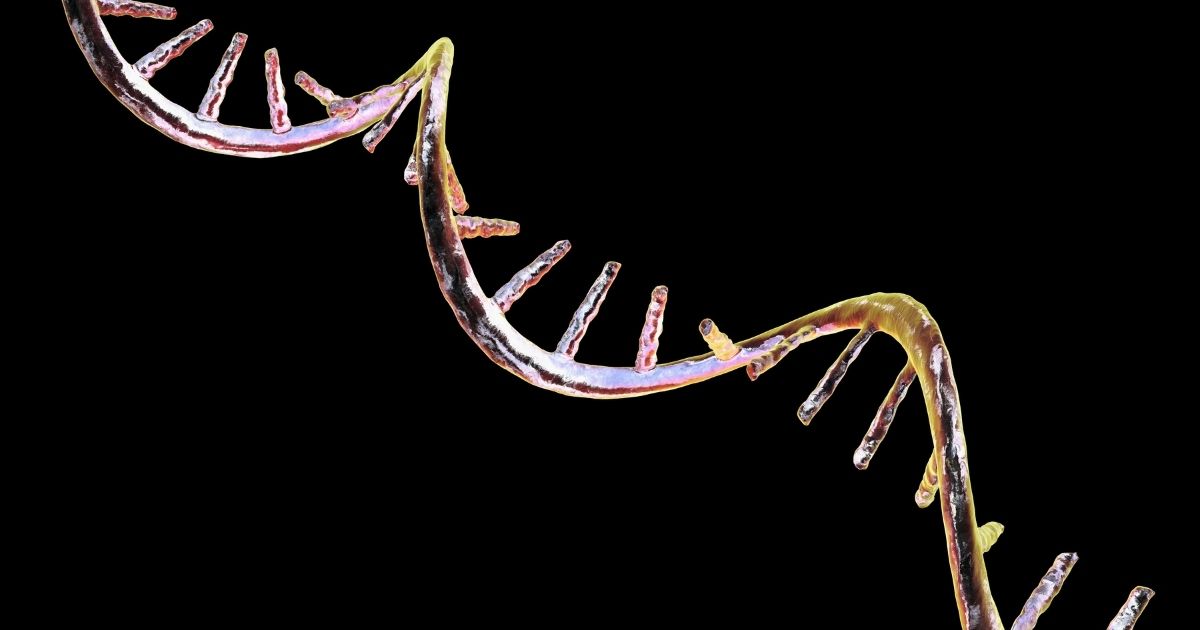
One of the most closely watched stories in cancer research over the past few years has been a personalized mRNA vaccine for melanoma. In early 2026, it reached a meaningful checkpoint: five-year data showing the benefit has held. It's an encouraging development worth understanding — along with the limits that the headlines often skip.
What This Vaccine Actually Is
The therapy — developed by Moderna and Merck, known in trials as mRNA-4157 / V940 and now named intismeran autogene — is not a vaccine in the way we usually mean the word. It does not prevent melanoma. It is a treatment for people who already have high-risk melanoma, designed to lower the chance that it comes back after surgery.
It is also personalized to each patient. After a melanoma is removed, the tumor is genetically sequenced to identify mutations unique to that person's cancer. A custom mRNA therapy is then manufactured to teach the immune system to recognize up to several dozen of those tumor-specific markers. It is given together with the established immunotherapy drug pembrolizumab (Keytruda) — not on its own.
The same mRNA technology platform behind the COVID-19 vaccines is being applied here, but to a very different problem: training the immune system against an individual's cancer.
What the Research Shows
In the Phase 2b trial known as KEYNOTE-942, published in The Lancet in 20241, patients with resected high-risk (stage III/IV) melanoma received either pembrolizumab alone or pembrolizumab plus the personalized vaccine.
- Adding the vaccine reduced the risk of recurrence or death by roughly half compared with pembrolizumab alone.
- A three-year update reported a sustained benefit2, and the five-year data released in early 2026 showed the same magnitude held — about a 49% reduction in the risk of recurrence or death (hazard ratio ~0.51).3
- A durable five-year signal in high-risk melanoma is significant, because the highest risk of recurrence falls within those first years.
A larger Phase 3 trial in melanoma is fully enrolled, with results expected in the coming period. The same approach is also being tested in other cancers, including lung, kidney, and bladder.
The Important Caveats
This is genuinely promising science, and it deserves an honest frame:
- It is still investigational. As of this writing it is not FDA-approved; the confirmatory Phase 3 results are what would support approval and broad use.
- It is a treatment, not a prevention. It is for people who have already been diagnosed with high-risk melanoma and had it surgically removed — not a shot to prevent melanoma in the general population.
- It is given through oncology, in combination with immunotherapy — typically within clinical trials or specialized cancer centers, not as a dermatology office service.
- Phase 2b is encouraging, not final. Larger trials sometimes temper early results. The five-year durability is a good sign, but Phase 3 is the test that matters most.
Why It Still Comes Back to Early Detection
Here's the part that connects this frontier science to everyday skin care: this therapy exists to help people whose melanoma was caught at a high-risk, already-invasive stage. The single most powerful tool against melanoma remains finding it early, when it can often be cured by surgery alone — before any of this is needed.
Early-stage melanoma caught before it spreads has a five-year survival rate above 99%.4 That number is the reason regular skin checks and prompt evaluation of changing spots still matter more than any single breakthrough. Advances like the mRNA vaccine are a hopeful safety net for high-risk disease — not a substitute for catching melanoma early.
If you want a refresher on what to watch for, see our guide to melanoma, and if it's been a while, consider scheduling a skin cancer screening.
The Bottom Line
A personalized mRNA vaccine plus immunotherapy has now shown a sustained, roughly 50% reduction in melanoma recurrence at five years in a Phase 2b trial — a real and hopeful advance for high-risk patients, pending Phase 3 confirmation. It does not prevent melanoma and isn't yet standard care, but it points toward a future where the immune system can be taught to guard against a specific person's cancer. In the meantime, early detection remains the foundation.
References
-
Weber JS, Carlino MS, Khattak A, et al. Individualised neoantigen therapy mRNA-4157 (V940) plus pembrolizumab versus pembrolizumab monotherapy in resected melanoma (KEYNOTE-942): a randomised, phase 2b study. The Lancet. 2024;403(10427):632–644. thelancet.com ↩
-
Three-Year Update of a Randomized Phase IIb Study of Intismeran Autogene (mRNA-4157, V940) Plus Pembrolizumab Versus Pembrolizumab in Resected Melanoma. JCO Oncology Advances. 2025. ascopubs.org ↩
-
Merck & Moderna. Five-year data for intismeran autogene plus KEYTRUDA in high-risk melanoma. 2026. merck.com ↩
-
American Cancer Society. Survival Rates for Melanoma Skin Cancer. cancer.org ↩